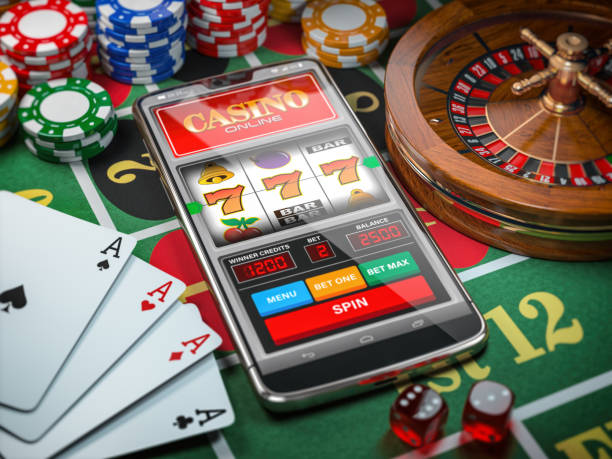

So yeah, I kept seeing fairdeal pop up in random Telegram groups and even in some Insta reels comments. At first I thought it’s just another one of those “earn easy” platforms people hype for a week then forget. You know the type… someone posts a screenshot of big winnings, everyone rushes, then silence. But honestly after poking around a bit (and also losing a small test amount, lol), I kinda understood why people are curious about it.
Online finance or gaming money platforms always felt like math exam to me. Confusing dashboards, too many numbers, odds, ratios… my brain just shuts off. But the interface here felt less intimidating. Not saying it’s perfect — sometimes buttons lagged and I pressed twice like an idiot — but overall it didn’t scream “finance bro only.” It felt more like a casual app, almost game-ish.
I guess that’s why it’s spreading through social media chatter instead of proper ads. People don’t explain it in technical way. They just say stuff like “bhai this one smoother” or “withdraw fast.” And weirdly, that’s more convincing than any professional marketing.
The money psychology thing nobody talks about
Okay this part might sound random, but money platforms always play on the same human wiring. Not even in a shady way — just basic psychology. When you see small wins or quick movement of balance, your brain gets dopamine. Same reason people refresh stock apps every 10 min even when they know market won’t change that fast.
With platforms like this, the barrier to entry feels low. You don’t need to understand deep financial concepts. It’s more like trying a mobile game where coins move and you feel progress. I read somewhere that micro-reward systems increase engagement by like 40-ish percent compared to static dashboards. Not sure exact number now (I saw it in some UX blog months ago), but it stuck in my head because it makes sense. Humans like visible change.
That’s probably why newer users say it feels “active.” Even if you’re not winning big, you see movement. And movement in money apps gives illusion of control. That illusion alone keeps people returning.
My small test and what actually happened
So yeah, I tried with tiny amount because I’m not stupid (well mostly). I expected either instant loss or some hidden fee nonsense. Surprisingly, nothing dramatic happened. I didn’t win huge, didn’t lose everything. Just small fluctuation. Which honestly made it feel more normal, less scammy vibe.
What stood out was the withdrawal speed chatter being somewhat true. Not instant magic, but not painfully slow either. And this matters more than people realise. In online money spaces, trust is literally measured in withdrawal time. If money returns smoothly once, users mentally mark platform as “safe enough.”
I remember one Reddit-like forum comment saying something like: “I don’t care odds, I care exit.” That line stuck with me because it’s exactly how casual users think. They’re not analysing probability curves. They just want to know they can leave with funds intact.
Why platforms like this suddenly everywhere
There’s actually a broader trend here. After crypto hype waves and stock trading apps boom, average internet users got more comfortable with digital balance concepts. Earlier, online money felt abstract. Now people casually talk about wallets, deposits, returns. So platforms riding this familiarity wave grow faster.
Also, younger users treat these things almost like entertainment spending, not investment. That shift changes behaviour a lot. When money activity feels like recreation rather than serious finance, hesitation drops. You’ll see comments like “just trying for fun” — which psychologically reduces fear of loss. Clever positioning honestly.
Another thing is regional spread. In India and South Asia digital payment adoption exploded last few years. Once people trust UPI or wallets, the next step — trying digital platforms with balance systems — becomes less scary. It’s like trust ladder. First you trust sending ₹100 to friend. Then you trust storing ₹500 in app. Then you trust interacting with money interfaces. Each step normalises the next.
The skepticism still there (and should be)
I’m not going to pretend everything rosy. There’s always risk in any platform involving money movement. Even if operations legit, user behaviour can still lead to losses. I noticed some Telegram users posting extreme wins screenshots — those always trigger FOMO cycles. And FOMO is the fastest way to make bad decisions online. Been there, regretted that.
Also social proof online is messy. One viral win post spreads faster than 100 normal experiences. So perception becomes skewed. You think everyone winning except you. Classic survivorship bias thing. People rarely post losses or neutral outcomes. So timeline looks unrealistically positive.
From my own test, results were mostly average. Which ironically made it feel more genuine. Unreal consistent wins would actually worry me more. Randomness feels real.
How people actually using it casually
What surprised me is how users integrate it into routine. Not as main money activity, but side entertainment. Like some people scroll reels during tea break, others open balance apps. Same time slot, different stimulation. That comparison helped me understand behaviour better.
I saw one guy on X saying he checks platform during IPL matches ads breaks. That detail weirdly explains adoption. Idle micro-moments during day now filled by digital engagement. Apps competing for those seconds. If an interface gives quick feedback, it wins attention slot.
And attention today equals growth. Not ads. Not brand. Just habit formation.
The trust equation in simple terms
If I had to explain it super simply — trust in these platforms comes from three small experiences stacking. Interface doesn’t confuse you. Small activity behaves predictably. Money exit works when tested. That’s it. No deep financial literacy required.
It’s like trying a new food stall. First bite not bad. Stomach fine later. Price reasonable. Next time you go again. Humans build trust from repeated normal outcomes, not big promises. That’s why moderate experiences matter more than jackpot stories.
Where I personally stand now
I’m still cautious. I don’t think any online money platform deserves blind trust. But I also don’t think all are automatically shady just because internet. Reality usually somewhere boring middle. Functional, imperfect, sometimes beneficial, sometimes not. Like most digital tools honestly.
If someone asked me today, I’d say it’s one of those platforms people exploring because barrier low and stories circulating. Curiosity + accessibility = growth. Not magic, just timing and psychology aligning.
And yeah, I’ll probably still keep checking occasionally, mostly out of curiosity than profit hope. Which I guess proves the main point — engagement doesn’t always come from huge reward. Sometimes just from the feeling something is happening with your balance.
(चेतावनी)
This is not the official website of the fairdeal app. This page has been created solely for educational and social awareness purposes to inform users about the app.
वित्तीय जोखिम चेतावनी: हम किसी को भी इस ऐप का उपयोग करने की सलाह नहीं देते हैं। कृपया ध्यान दें कि इस ऐप में पैसे जोड़ना (Add Money) आपके लिए वित्तीय जोखिम भरा हो सकता है। इसमें जीतने की संभावना कम और हारने का जोखिम अधिक होता है। यदि आप फिर भी इसे खेलते हैं, तो यह पूरी तरह से आपकी अपनी जिम्मेदारी और जोखिम (Your Own Risk) पर होगा। हम किसी भी प्रकार के वित्तीय नुकसान के लिए जिम्मेदार नहीं होंगे।
Disclaimer
This is not the official website of the fairdeal app. This blog/website has been created solely for promotional and educational purposes, to provide a link to the APK file or registration portal for users who are looking for it.
Financial Risk Warning: We do not recommend or encourage anyone to use this app. Please note, friends, we strongly advise you not to add any money to this app. If you still choose to invest or add money, it will be entirely at your own risk.
This app involves a high level of financial risk. The chances of winning in this app are significantly lower than the chances of losing. Therefore, once again, we urge you not to play this app. However, if you still wish to play, please do so at your own risk. We are not responsible for any financial losses you may incur.