
If you’ve ever browsed through a shop selling rudraksha beads, you probably felt like you needed a PhD just to tell which one is genuine. Especially the 5 Mukhi Rudraksha – it’s like the popular kid in the bead world: everyone wants it, and everyone talks about it online. So, how do you make sure you’re not getting scammed? Let’s break it down in a way that even your non-spiritual friends could understand.
What Is a 5 Mukhi Rudraksha Anyway?
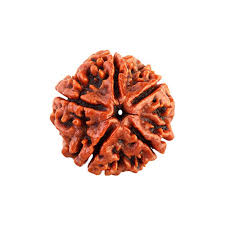
Before we start detective work, let’s get the basics right. A 5 Mukhi Rudraksha is a bead that has five natural lines or faces running down its surface. Think of it like the bead’s fingerprint – no two are exactly alike. People believe it’s connected to Lord Shiva and promotes health, peace, and focus. If you’ve seen folks posting about their morning meditation on Instagram, chances are they’re flaunting a 5 Mukhi Rudraksha.
Fun fact: The 5 Mukhi is considered one of the most common rudraksha types, which doesn’t make it cheap, but it does make it slightly easier to spot than the rare 21 Mukhi, which feels like hunting for a unicorn.
First Step: The Visual Test
Alright, Sherlock, let’s start with the obvious. Hold the bead close and look for five distinct lines running from top to bottom. Don’t let dirt or cracks fool you – some beads get naturally wrinkly with age. If you squint and still see five clear lines, you’re off to a good start.
Pro tip: Rotate it slowly under natural light. Fake beads often have painted lines, and trust me, it’s usually pretty obvious once you see how uniform and too-perfect they look. Mother Nature doesn’t do too perfect.
Check the Shape and Size
Here’s where a lot of people get tricked. Genuine 5 Mukhi Rudraksha beads are not perfectly round. They’re a bit oval, kind of like the difference between a grape and a marble. If it looks like it’s been carved by a machine, it’s probably not real.
Also, weight matters. Hold it in your hand – it should feel light yet solid. Fake ones are either way too heavy plastic-filled or suspiciously feather-light.
Water Test: Myth or Method?
Some people swear by dropping a rudraksha in water. A genuine bead usually sinks slowly, while cheap fakes float. But be careful – this isn’t foolproof. Some plastic or coated beads can sink too, and old beads with cracks might behave differently. Think of it like using your grandma’s old trick for checking eggs – it works often, but not always.
Microscopic Lines and Texture
If you have a magnifying glass or a smartphone macro lens, check the tiny lines and surface texture. A genuine 5 Mukhi bead has natural grooves, almost like the bark of a tree. Fake beads tend to have smooth, polished surfaces that feel too clean.
People online in forums like Reddit’s spiritual communities always debate this part. Some say a little imperfection means authenticity – and honestly, I agree. Mother Nature isn’t into perfection, remember?
Authenticity Comes From Trust, Too
Let’s be real: no home trick can guarantee 100% authenticity. That’s why buying from reliable sources matters. A trusted store will usually certify the bead and provide details about its origin. If you want a solid guide to spotting the genuine article, check out this resource on how to identify 5 mukhi rudraksha. It’s a pretty neat breakdown without sounding like a boring textbook.
Extra Tips From My Own Mishaps
I remember the first rudraksha I bought online. It looked perfect, glistened under my desk lamp, and I was like, Wow, lucky me. Fast forward a week, and I realized it was so light it felt like a bead of plastic. Moral of the story: always inspect, rotate, and if possible, consult someone experienced. And check reviews online – surprisingly, Instagram reels are full of honest opinions and drama about fakes!
Final Thoughts
Identifying a 5 Mukhi Rudraksha isn’t rocket science, but it does need patience and a keen eye. Look for five clear lines, check the shape and weight, and don’t forget theb magnification. And above all, trust a reputable seller – your wallet and your meditation vibes will thank you.