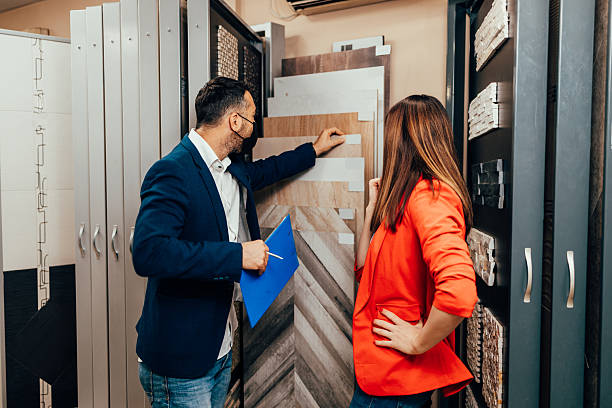

Choosing flooring can feel like walking into a giant home improvement store and immediately regretting your life choices. Hardwood, vinyl, laminate, tile, carpet… and that’s before you even get into things like “engineered wood” or “luxury vinyl planks” (which sounds way fancier than it is). If you’re overwhelmed, don’t worry — you’re not alone. Let’s break this down in plain English so picking flooring doesn’t feel like solving a puzzle you never asked for.
1. Start With the Room’s Purpose
The first question: What’s this room actually used for? A bedroom and a kitchen have totally different needs.
-
Bedrooms & Living Rooms: Go for cozy vibes. Carpet or warm hardwood works well here.
-
Bathrooms & Kitchens: These need waterproof, durable stuff. Tile or vinyl is your best bet.
-
Basements: Since basements can get damp, avoid solid wood. Use engineered wood or vinyl.
If you match flooring to the “traffic” and activity level of the room, you’re already halfway to making the right choice.
2. Think About Durability
If you have kids, pets, or you’re just clumsy (no judgment), you’ll want flooring that can handle some chaos.
-
Hardwood: Gorgeous but scratches easily.
-
Laminate: Budget-friendly and scratch-resistant.
-
Vinyl: Waterproof and kid/pet-proof.
-
Tile: Practically indestructible but not cozy on bare feet.
3. Budget Reality Check
It’s easy to fall in love with exotic hardwood until you see the price tag. Set a budget early.
-
Budget-friendly: Laminate and vinyl are your best friends.
-
Mid-range: Engineered wood looks like the real deal without the full cost.
-
High-end: Solid hardwood or natural stone if you want that “wow” factor.
Pro tip: Flooring sales happen all the time, so shop around before you commit.
4. Consider Maintenance
Some floors look amazing in a showroom but are a nightmare to clean in real life.
-
Hardwood needs refinishing every few years.
-
Carpet traps dirt and requires regular deep cleaning.
-
Vinyl and laminate are super low-maintenance.
-
Tile is easy to clean but grout… yeah, grout is a pain.
5. Think About Comfort
Nobody likes walking on ice-cold tile first thing in the morning. Bedrooms and living areas usually feel better with softer, warmer flooring, while kitchens and bathrooms lean toward tile or vinyl for practicality. If you want tile but hate the chill, consider radiant heating under it — your toes will thank you.
6. Style and Aesthetics
Flooring sets the vibe for the whole room.
-
Light wood or light-colored flooring makes a space feel bigger.
-
Dark flooring looks dramatic but shows dust more.
-
Patterned tiles can turn a small bathroom into a showpiece.
Pick something that fits your overall design style and won’t make you cringe in five years.
7. Test Samples in Your Space
Those little swatches in the store can be super misleading. Bring samples home, look at them in natural light, and see how they feel in your space before buying.
8. Don’t Forget Installation
If you’re handy, laminate or click-and-lock vinyl can be a DIY project. But hardwood or tile? Probably better left to the pros unless you enjoy stress. Factor installation costs into your decision — they can be a big chunk of the total price.
Choosing flooring is like picking shoes: you want something stylish, comfortable, and practical for how you live. Don’t overthink it. Focus on durability, budget, and how you actually use each room. Once you get that right, everything else (color, texture, finish) is just a bonus.